TVI — Terror Victim Identification
Connecting victim identification with the investigative priorities of a terrorist attack.
TVI is a developing TSM research concept for the interfaces between terrorist-scene command, DVI, CSI, CBRN safety and time-critical investigative information.
A TSM research concept, not a replacement for DVI.
After a terrorist attack, victim recovery and identification take place inside an active investigative and security environment. Decisions about access, movement, documentation, sampling and information transfer can affect dignity, formal identification, responder safety, evidential continuity and the speed of the wider investigation at the same time.
TVI provides a name for studying those dependencies as one system. Its purpose is to identify where DVI, CSI, CBRN and investigative priorities meet, and how controlled parallel work may preserve formal processes while producing time-critical information sooner.
TVI — Terror Victim Identification is an unpublished TSM concept under development. It is not a validated, accredited or formally adopted standard. It does not replace INTERPOL DVI terminology, the INTERPOL DVI Guide, national procedures or authorised training.
Research structure
Four interfaces to define, observe and evaluate.
Authority and command
How scene command, DVI leadership, investigation and specialist safety functions share decisions without obscuring responsibility.
Recovery and evidence
How victim recovery, forensic documentation and evidential continuity can remain connected from the first movement onward.
Hazard and access
How CBRN controls, zoning, PPE and decontamination influence identification material and investigative opportunities.
Time-critical information
How prioritised findings can reach investigators and partner authorities while complete identification and scene processing continue.
Developed against established DVI practice and current international exercise questions.
TVI is informed by direct experience in DVI coordination, complex-scene leadership, CBRN and radiological scene management, international education and multidisciplinary exercise evaluation. Its claims remain limited to what can be documented, observed and tested.
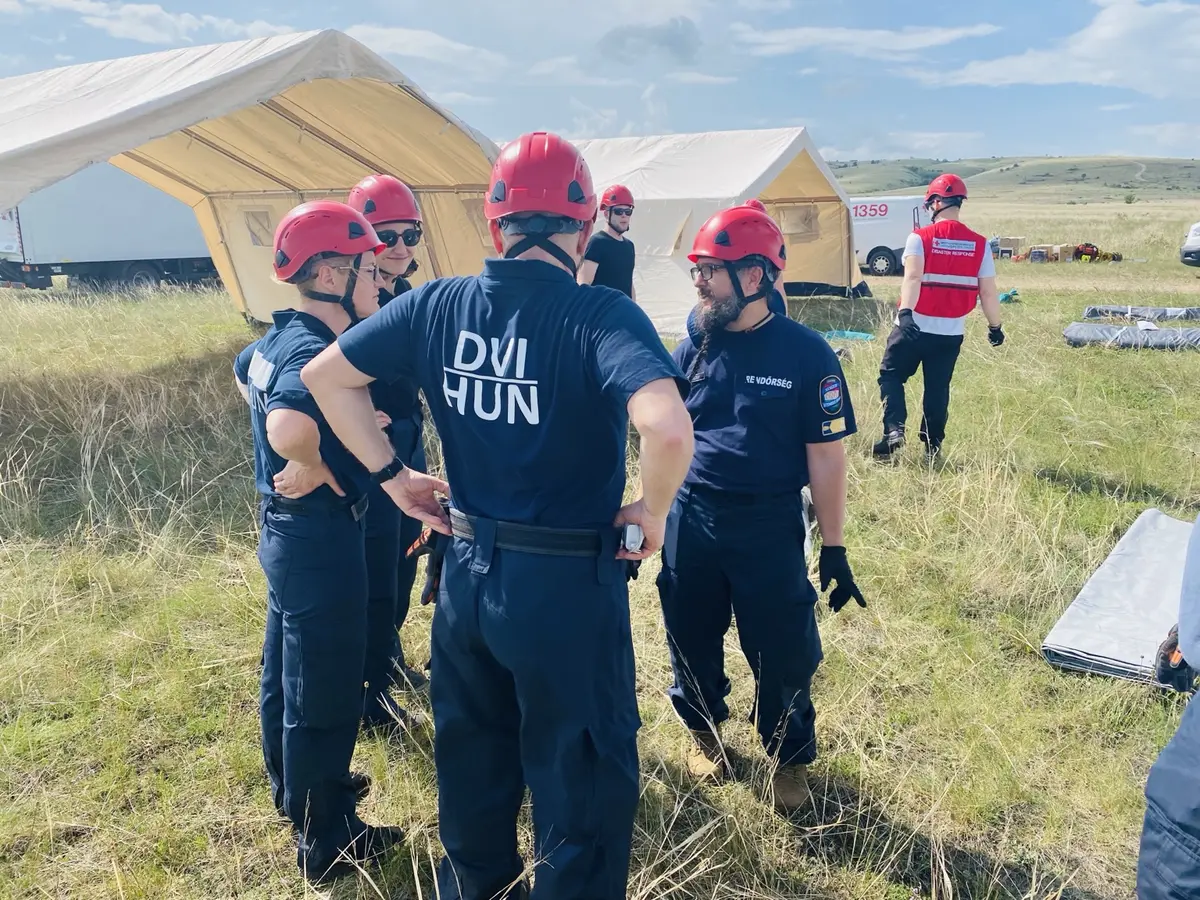
One relevant public reference is CEPOL’s 2026 activity “Disaster/Terrorist Victim Identification, management and joint operations”, which addresses victim identification in terrorist attacks through an international exercise context.
Major-incident medical principles may inform interface analysis, but TSM does not provide an ALSG MIMMS course or MIMMS certification.
Scientific dialogue
Research, review and professional knowledge exchange.
Enquiries concerning research cooperation, peer review, publication, academic dialogue or relevant professional experience are welcome.