Parallel operations
Rescue, safety, investigation, intelligence and evidence recovery work from a shared operational picture instead of waiting for one another to finish.
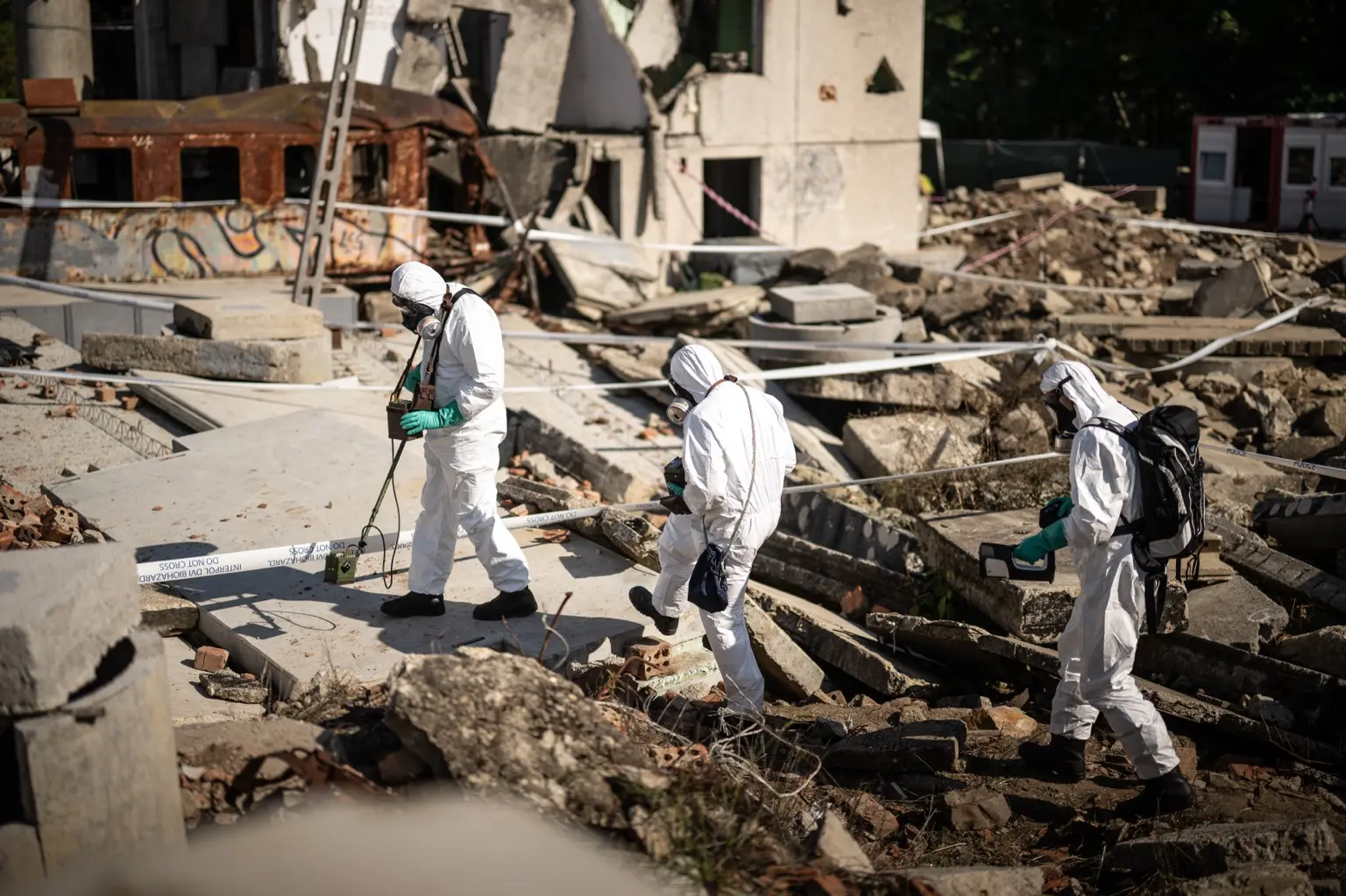
Terror Scene Management
TSM coordinates the complete operational chain at complex scenes: rescue, threat control, advanced CSI, CBRN and radiological safety, DVI, medical interfaces, weapons intelligence and early evidence exploitation—working in parallel from a shared command picture.
TSM · TVI · CBRN · RCSM · DVI · CSI · WIT · Battlefield Forensics
The operational advantage
While rescue, threat control, CBRN safety and casualty management continue, coordinated forensic work with partner authorities can already identify and transfer the evidence with the greatest immediate investigative value. This may produce earlier leads on identity, networks or linked locations, accelerating attribution and supporting the disruption of follow-on or coordinated threats.
Rescue, safety, investigation, intelligence and evidence recovery work from a shared operational picture instead of waiting for one another to finish.
Recovery is ordered not by convenience alone, but by perishability, threat relevance, intelligence potential and later evidential value.
Time-critical findings are routed rapidly to investigators, intelligence functions and partner authorities while full scene processing continues.
Operational friction
“A good plan that can be executed in time is more valuable than a perfect plan delivered too late.”TSM operational principle · based on a maxim often attributed to ClausewitzVerified conceptual source: On War, Book I, Chapter 7 ↗
Its logic matches Clausewitz’s documented concept of friction: under real conditions, time pressure, uncertainty, danger, incomplete information and institutional boundaries turn individually simple tasks into a coupled problem. TSM therefore favours a sound, shared and adaptable plan that can guide controlled parallel action now, followed by repeated joint reassessment as the situation changes.
Scene complexity
TSM connects advanced crime-scene investigation, CBRN and radiological scene management, DVI, major-incident medical coordination, weapons intelligence and battlefield evidence workflows. The objective is controlled parallel action: protect life and responders while preserving traceability, evidential value and the route from scene to court.
Knowledge & publications
TSM brings together peer-reviewed publications, doctoral research, documented professional experience and specialist dialogue. Its knowledge base is grounded in more than two decades of operational and forensic leadership and recurring international education and capacity-building work. Technology is assessed by what it adds to scene decisions, documentation and evidential continuity—not by novelty alone.
TSM is a research-based, expert-informed framework under continuing validation. It is not an accredited programme, certified method, formally adopted international standard or institutional endorsement.
Connected fields
The platform connects high-risk forensic operations, mass-fatality management, technical exploitation, illicit laboratory work and technology-enabled scene documentation. Its research questions have been shaped by national investigations and recurring international work in law-enforcement, CBRN, nuclear security, defence and disaster response.
TSM & advanced CSICommand decisions translated into a defensible scene strategy.Open field+Scene assessment, prioritisation, documentation, reconstruction, continuity and decision records are connected to rescue, safety, intelligence and judicial requirements instead of being treated as a separate technical phase.
Open field →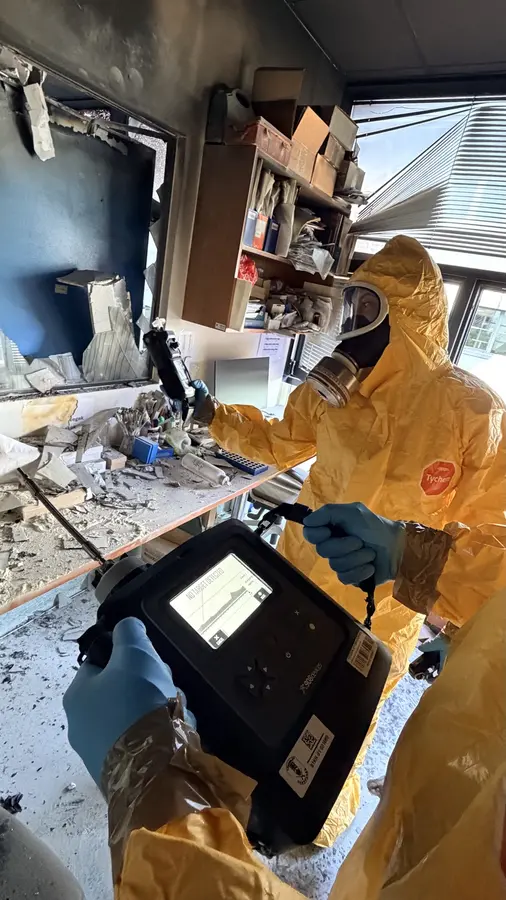 CBRN forensics & RCSMForensic recovery under chemical, biological, radiological or nuclear constraints.Open field+
Hazard assessment, zoning, access control, PPE, measurement, contamination control, sampling and packaging are planned together with evidential continuity and responder protection.
Open field →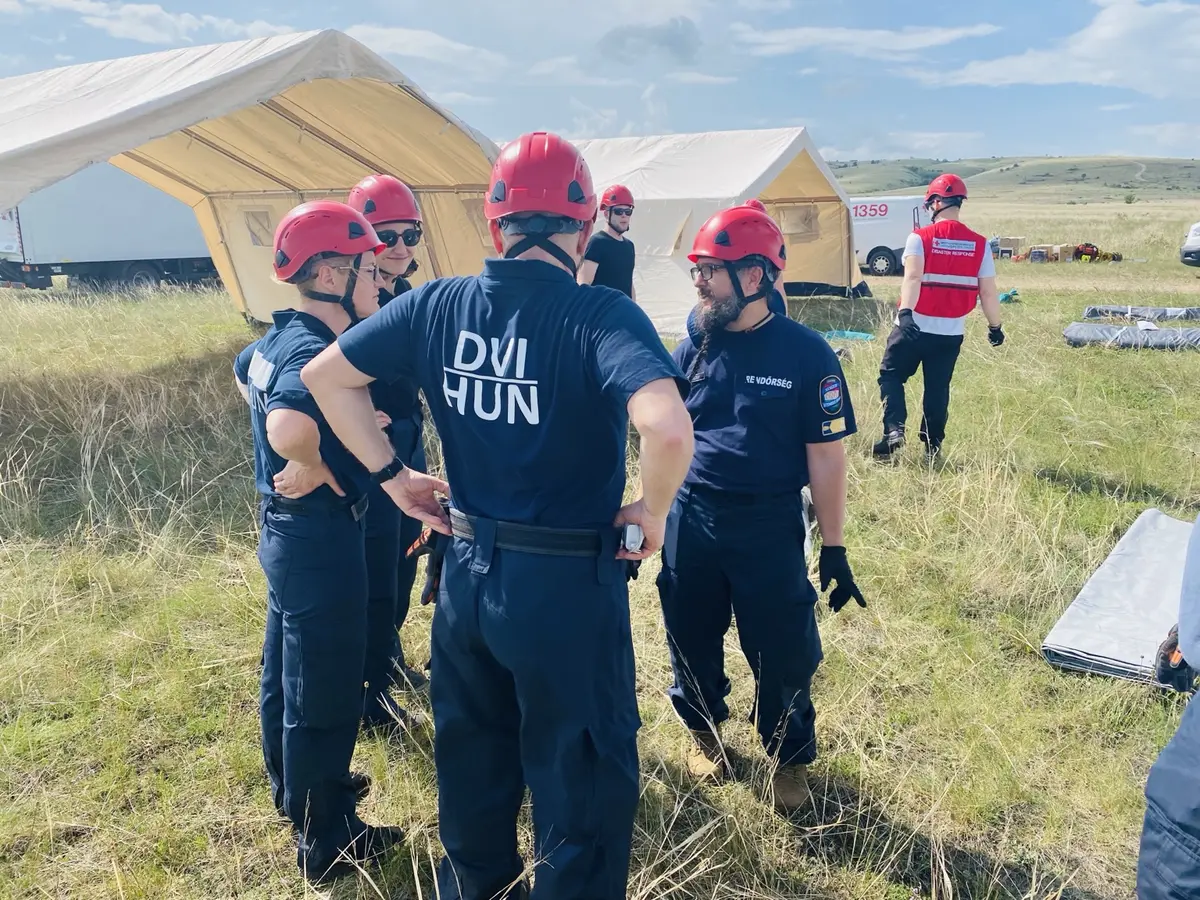 DVI & major-incident medical interfaceMass-casualty management from triage and recovery to formal identification.Open field+
Medical command, scene recovery, post-mortem, ante-mortem and reconciliation interfaces are exercised with reference to established MIMMS principles and national or INTERPOL DVI processes. This does not constitute an ALSG MIMMS course or certification.
Open field →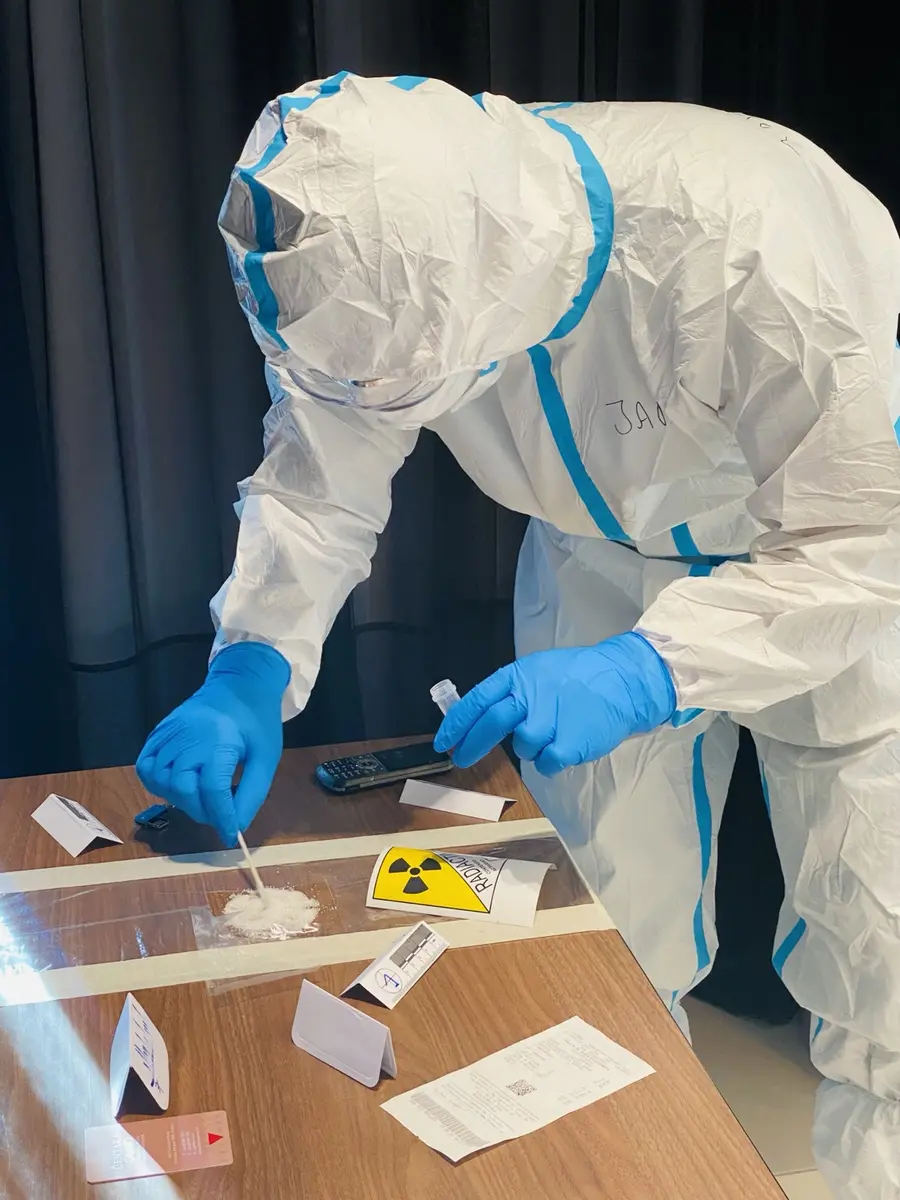 WIT & Battlefield ForensicsMaterial recovered in an operational environment must retain intelligence and judicial value.Open field+
Weapons, devices, components, biometric and digital material are documented, triaged and transferred through a traceable workflow designed to support technical exploitation, intelligence development and later legal use.
Open field →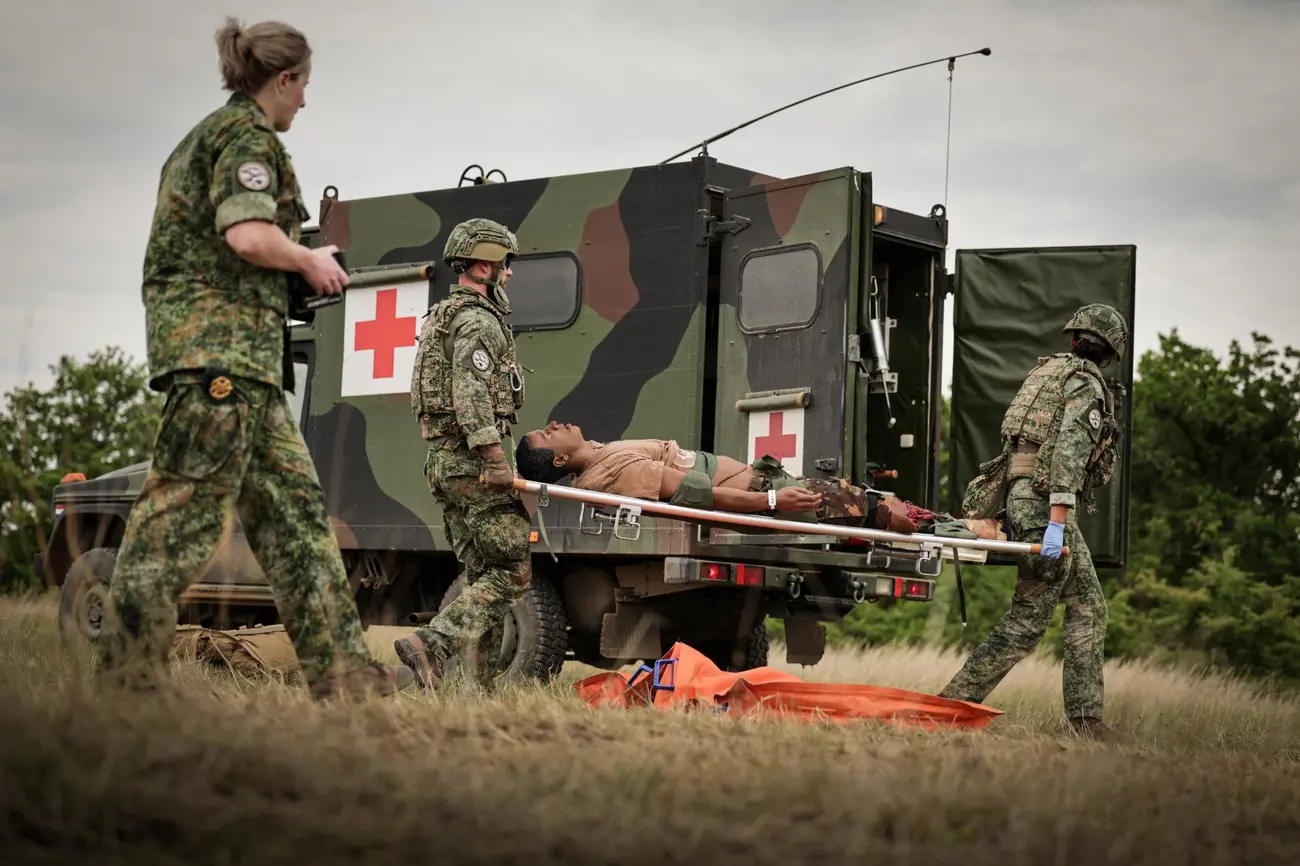 Clandestine drug laboratoriesDetection and dismantling begin with chemical risk, scene control and process evidence.Open field+
The approach covers recognition, risk-led entry, production-process documentation, sampling, hazardous-material coordination, dismantling support and evidence continuity in synthetic-drug laboratories.
Open field →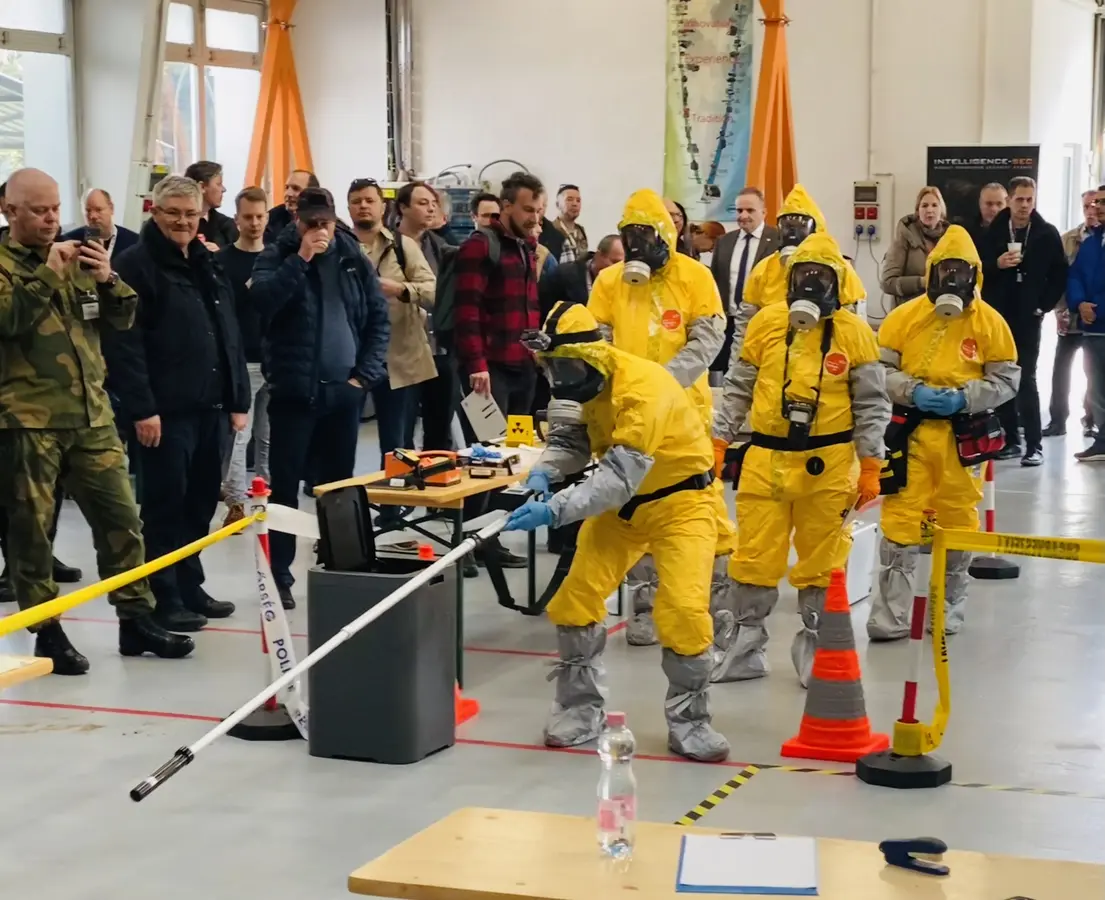 Forensic research & technologyTechnology is useful only when it improves a documented forensic decision.Open field+
UAV imaging, 3D laser scanning, radar-based detection and survey, Raman spectroscopy, Rapid DNA and digital scene data are integrated with validation limits, operator competence and evidential requirements in view.
Open field →TVI — Terror Victim IdentificationVictim identification connected with the investigative priorities of a terrorist attack.Open field+A developing TSM research module examining the interfaces between terrorist-scene command, DVI, CSI, CBRN safety and time-critical investigative information. It is not a validated or formally adopted standard.
Open field →Practitioner-led across the operational chain
TSM is not assembled from books, videos or conference presentations alone. Its founder’s direct work spans criminal investigation, major-scene command, forensic recovery, CBRN and radiological scene management, DVI coordination, clandestine laboratory response, technology integration, international instruction and exercise evaluation. This breadth reveals how one team’s decision changes the options available to every team working before, beside or after it.
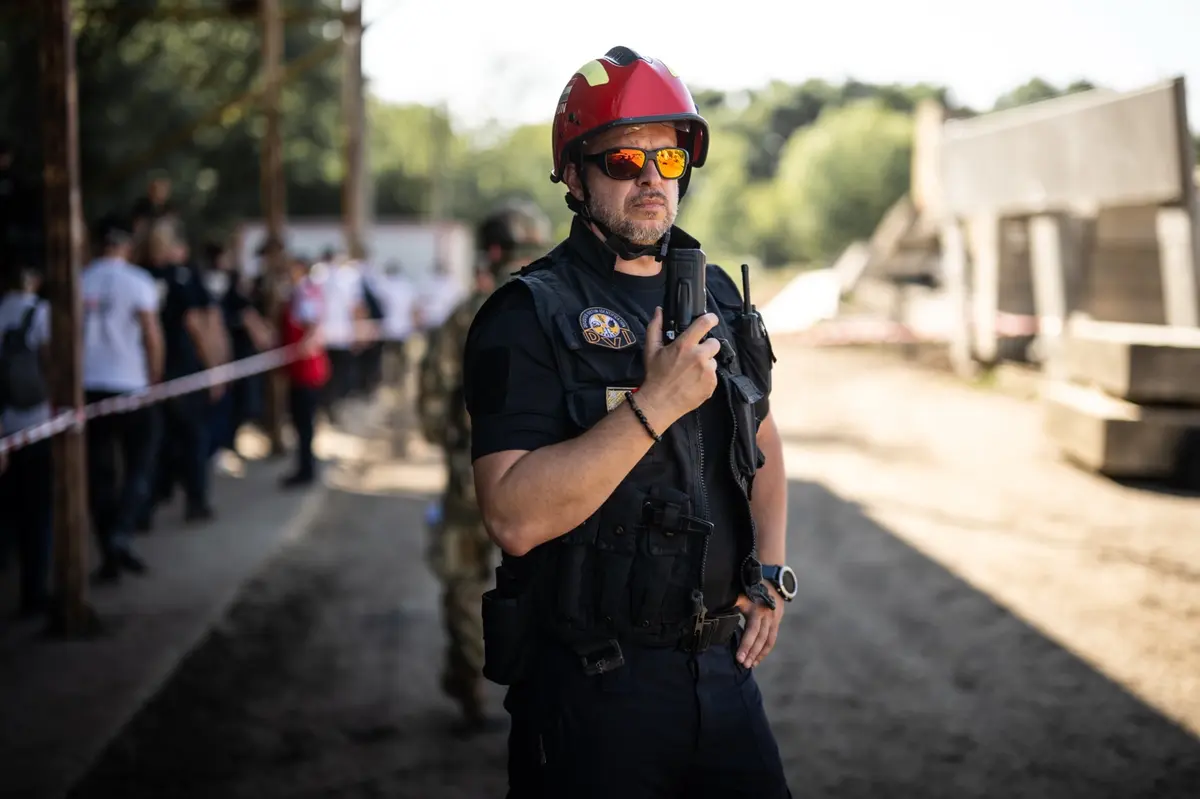 Founder & Lead Expert
Founder & Lead Expert
Senior investigation and forensic leader · Hungary’s National DVI Coordinator · International trainer
Kornél Papp has more than two decades of experience in criminal investigation, forensic operations and international capacity building, including over fifteen years in leadership. As Head of the Central Forensic Division at the Hungarian National Bureau of Investigation, he leads national-level crime-scene capability for the country’s most serious and complex investigations. Over the past decade, he has held scene-command, specialist-leadership or coordination responsibilities at numerous major incidents of national significance in Hungary. He created the TSM model and is pursuing doctoral research in Military Sciences while contributing to international education and professional knowledge exchange in DVI, CBRN and radiological crime-scene management.
Selected professional engagements
The international dimension is not decorative. It reflects recurring work in multinational training, nuclear-security, CBRN, DVI, defence and law-enforcement settings, where terminology, authority and procedures must remain interoperable across institutions and jurisdictions.
Head of the Central Forensic Division · 2020–present
DVI Working Group member · Permanent Hungarian delegate
Radiological Crime Scene Management trainer
CBRN consultant · International capacity building
International instructor · CBRN forensic expert
MIMMS instructor candidate on three courses; instructor pathway not completed · Vigorous Warrior DVI coordination
International instructor
Recurring international forensic and DVI instruction
External expert and international instructor · DVI and TVI activities
Organisational references describe verified professional experience and do not imply institutional endorsement of TSM.
Long-term professional cooperation
Since 2022, Kornél Papp has worked within ETAF’s international instructor network. The cooperation connects recurring DVI, CBRN and CSI education, programme and exercise development, battlefield-forensics workshop preparation and international capacity-building assignments. ETAF also presents Terror Scene Management and CBRNe DVI/CSI among its professional fields.
Visit ETAF’s professional platform ↗Scientific dialogue
TSM welcomes research cooperation, peer review, publication and editorial collaboration, conference or academic invitations, and professional knowledge exchange. Any activity remains subject to clear authority, professional independence and conflict-of-interest safeguards.