DVI command and coordination
Define authority, activation, scaling, information flow and multinational interfaces.
DVI · Mass-fatality coordination
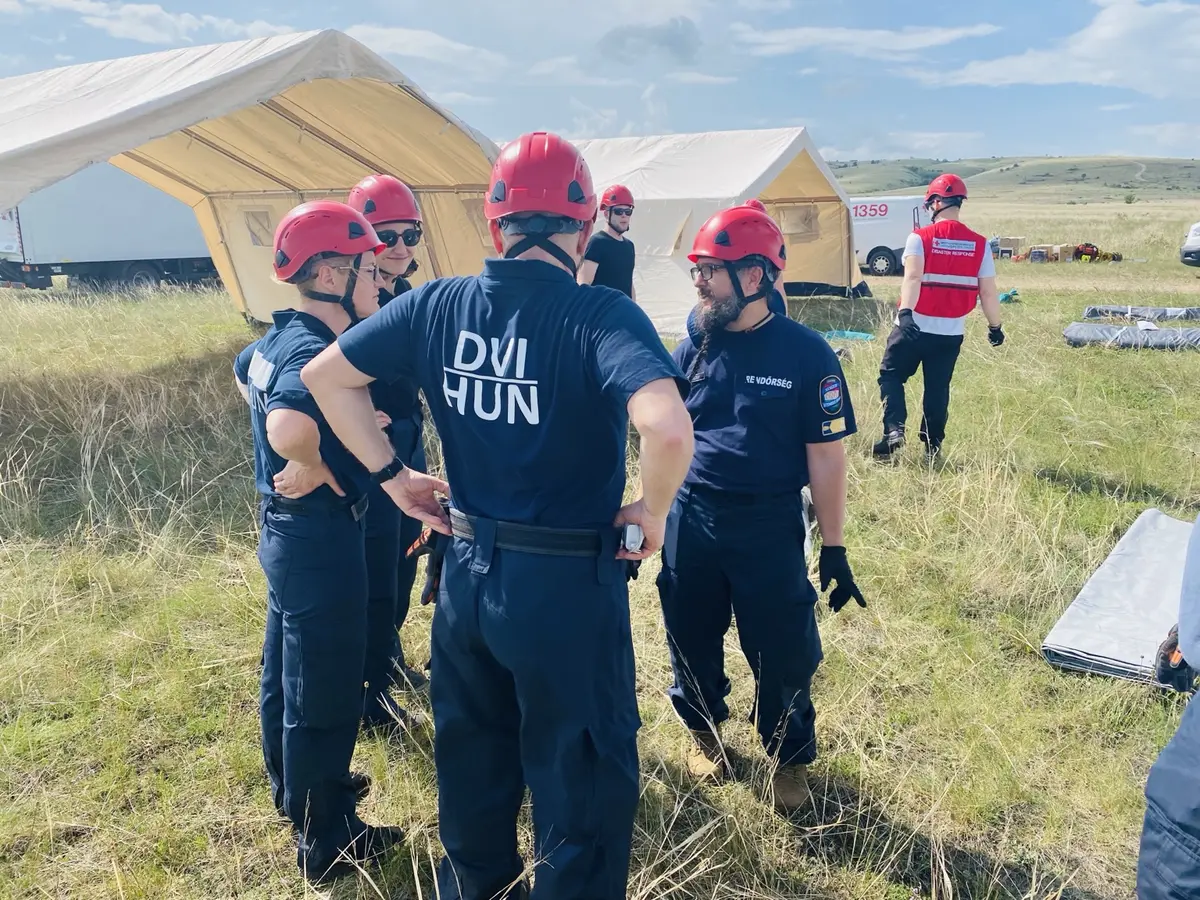
DVI capability depends on disciplined interfaces between scene recovery, post-mortem examination, ante-mortem information, reconciliation, family liaison, command and judicial authority.
Disaster Victim Identification is the internationally recognised process used to identify victims of mass-casualty or mass-fatality incidents. It connects scene recovery and unique numbering with post-mortem findings, ante-mortem data and formal reconciliation, supported by command, quality assurance and family communication.
Recovery numbering, personal effects, custody records, mortuary flow, data quality and reconciliation must remain aligned across multiple sites and organisations. Terrorism, CBRN contamination, disrupted infrastructure or multinational victims add further command and legal interfaces.
Applied knowledge
Each area can be examined separately; operational value emerges when its interfaces with the wider system are understood.
Define authority, activation, scaling, information flow and multinational interfaces.
Connect systematic recovery, documentation, numbering, personal effects and evidential requirements.
Exercise how post-mortem findings and ante-mortem information become a formal identification conclusion.
Integrate responder safety, contaminated remains, criminal evidence and victim dignity.
Practitioner-led across the chain
TSM is not assembled from conference summaries or secondary material alone. Its founder’s experience spans criminal investigation, major-scene leadership, forensic recovery, CBRN and radiological scene management, DVI coordination, illicit laboratory response, technology integration, international instruction and exercise evaluation.
That breadth makes it possible to examine not only what each specialist function does, but what its decisions change for every function that acts before, beside or after it.
Operational relevance
Relevant communities
Research and learning formats
This field note links research, professional guidance and operational practice. The public references support its terminology and context; they do not imply institutional endorsement of TSM.
Scientific dialogue
TSM welcomes research cooperation, peer review, editorial collaboration, academic or conference invitations and professional knowledge exchange, within clear authority and conflict-of-interest boundaries.